

Our Reuse & Rebuild Process

Map & Document
We start by identifying what can be reused before anything new is produced. Together with architects, dealers and clients, we document all existing furniture — and when needed, photograph and QR tag each item for full traceability. This gives us a clear foundation for smart, measurable circular decisions.
Plan & Propose Reuse
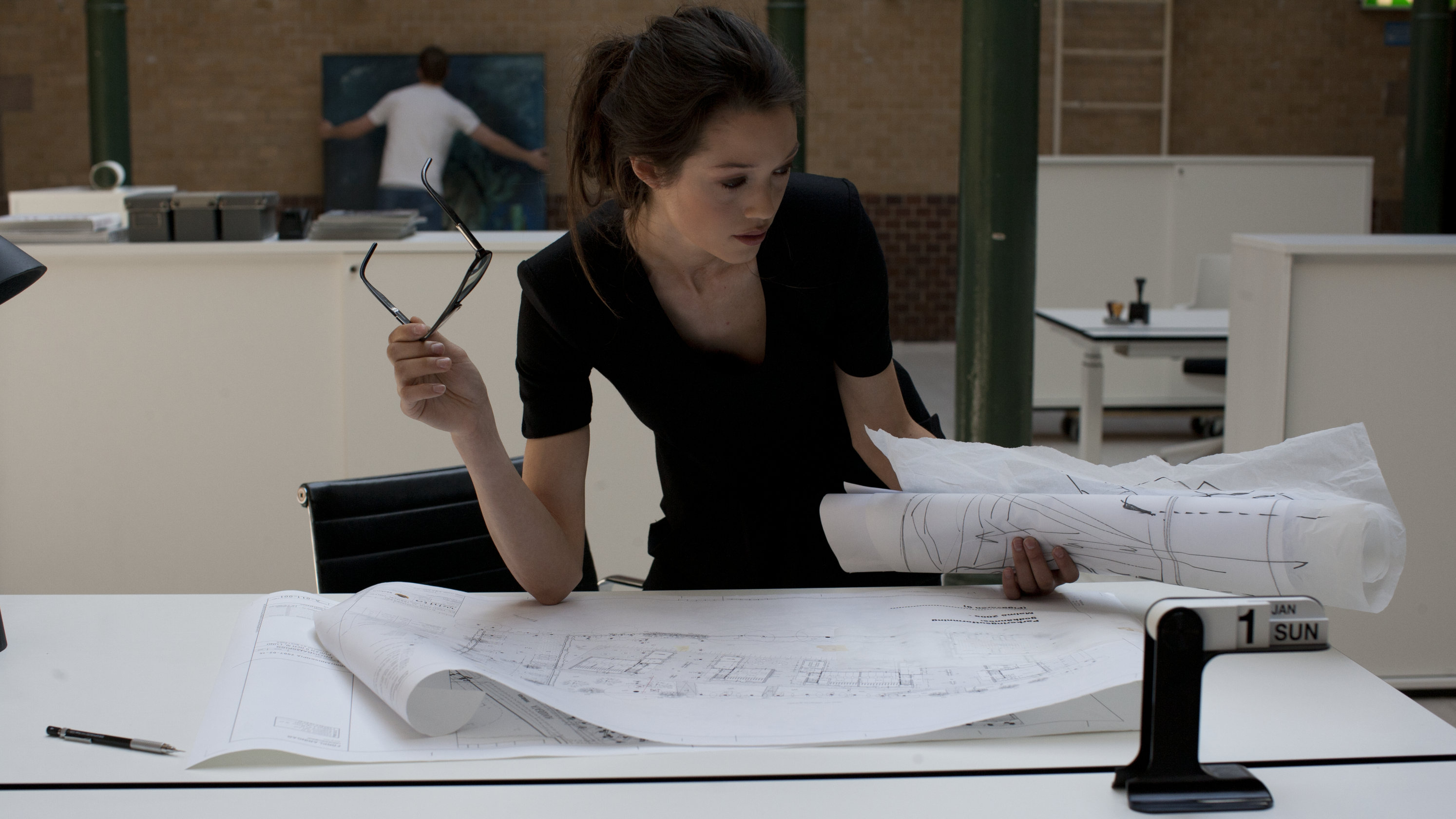
Based on the mapping, we create a plan that fits the client’s needs and budget. For complex challenges, our most skilled carpenters join the process. The plan may include: • Renovation, redesign and new components in the smartest possible mix. • Transformation of existing furniture into new functions.
Transform & Adapt
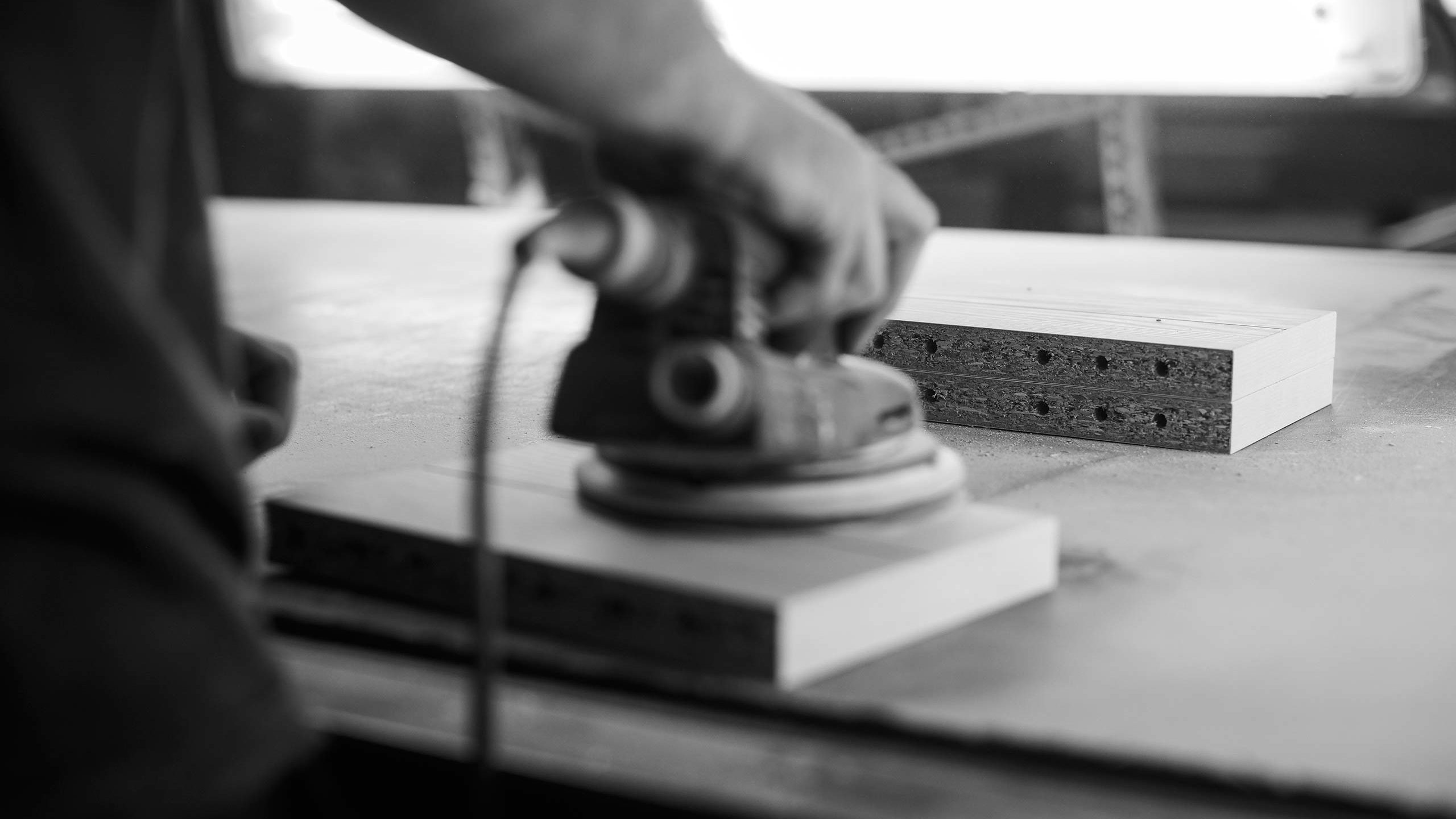
We take full responsibility for refurbishment, reuse and modifications. Work is done on site or nearby to reduce transport emissions. Flexible constructions enable easy disassembly, replacement and rebuilds. Our goals are clear: minimize climate impact, save resources and reduce costs.
Deliver & Install
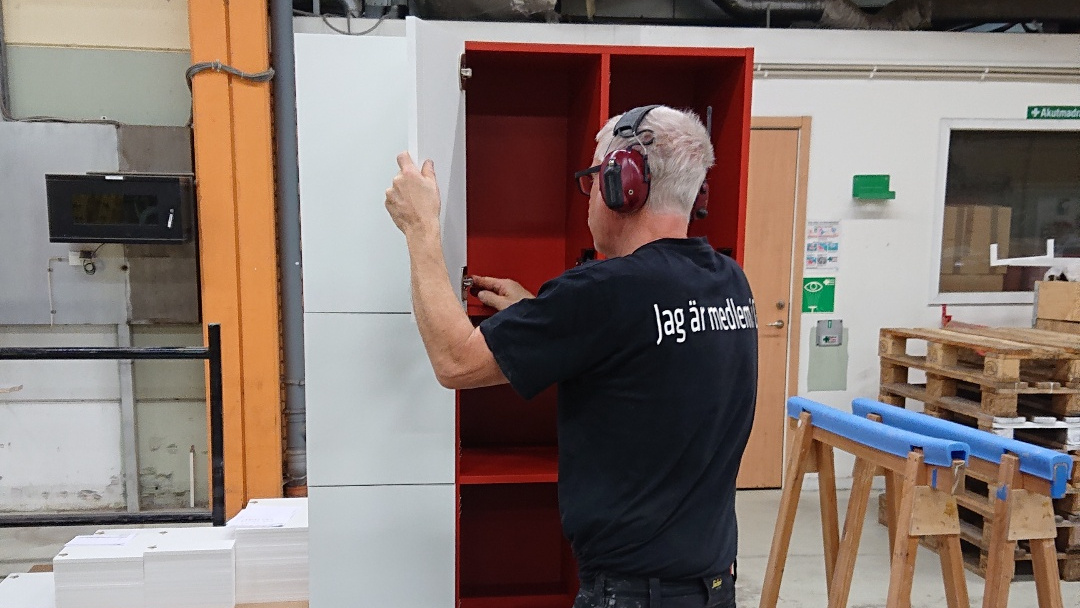
We manage the entire flow from preparation to installation. A mobile workshop enables on site refurbishment; for larger projects we set up temporary on site hubs. Pre produced parts are delivered and fitted seamlessly to keep downtime low.

Document & Report
Every client receives a concise sustainability report showing: • Volume of reused and refurbished materials • New functions created (RePurpose) • Estimated CO₂ and waste reductions The report can be used in internal sustainability reporting, procurement documentation and communication.
Circular Design Guide
Design for Real Needs
We create solutions that solve real needs. Our furniture is designed for shared use, flexibility and multifunctionality — so it can be used in many ways, by many people, for a long time.
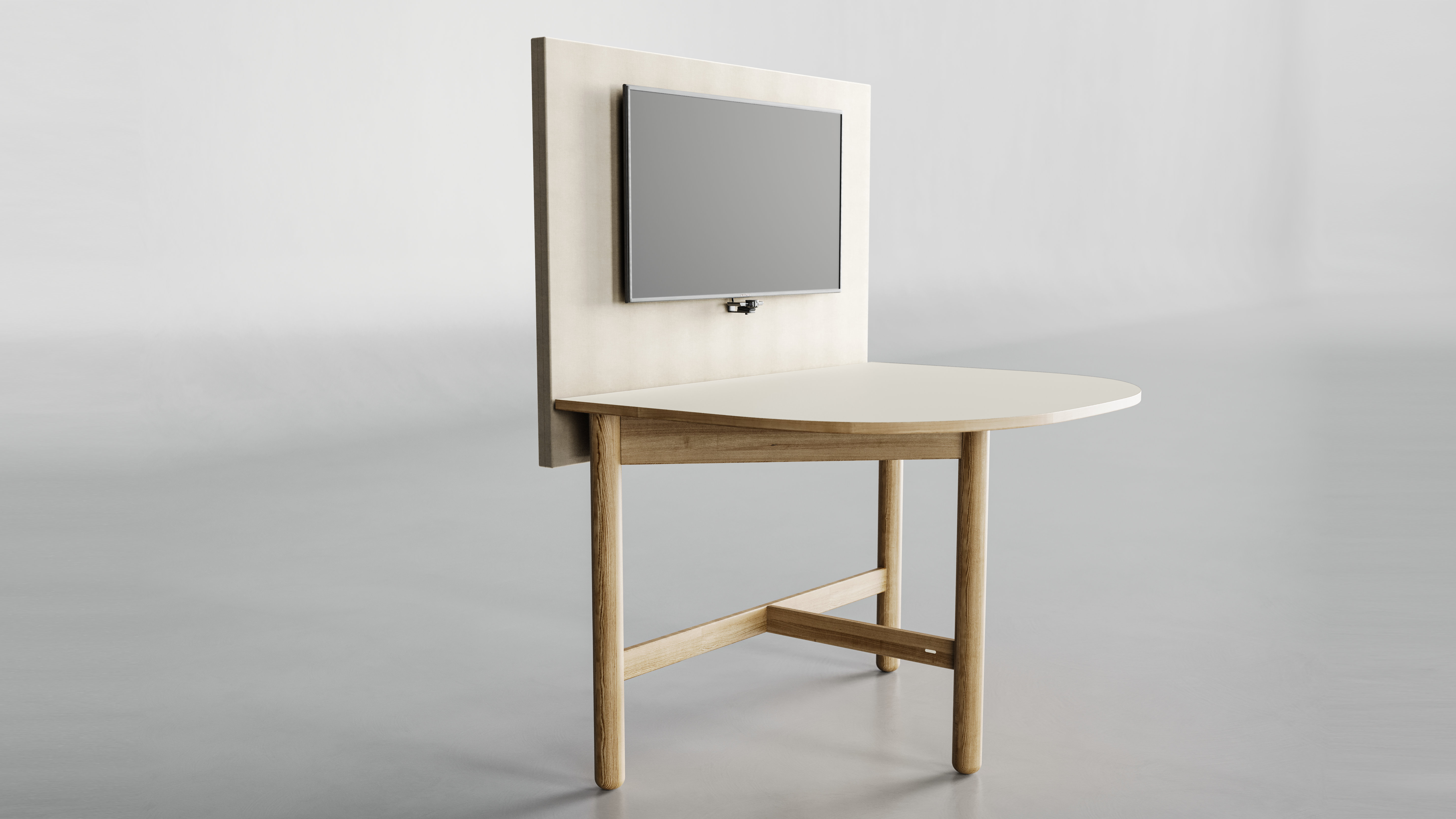
Example: Together hybrid table is flexible, divisible and versatile. It works for video meetings, hybrid collaboration or focused work. Its design supports high use and reduces the need for multiple products.
Design for Longevity
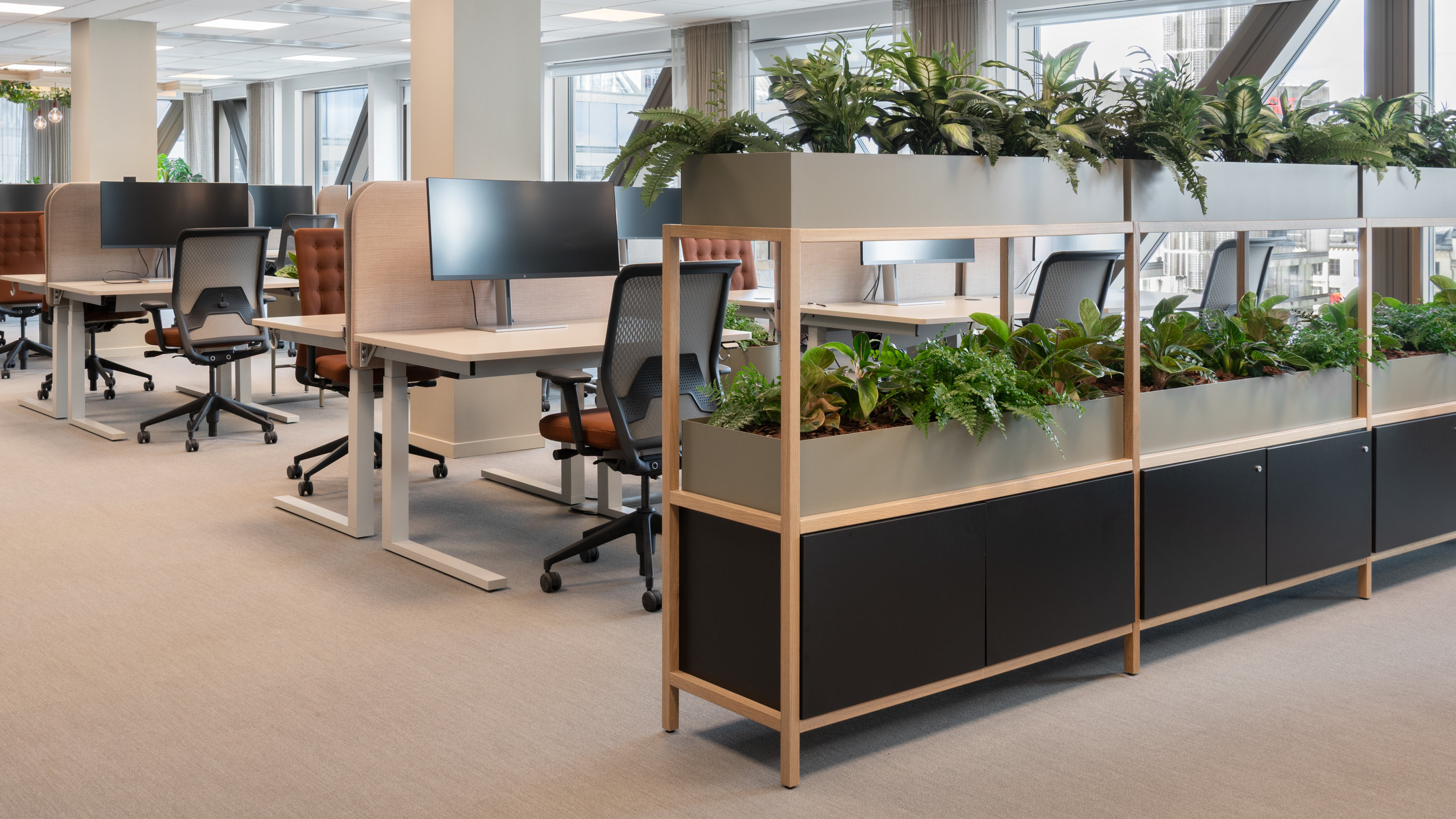
We design furniture to last for a century. Simple forms, durable materials and strong construction keep our products timeless and ready for continuous use and change through generations.
Example: Frames storage is built for long term durability and flexibility. Each part can be separated, reused or replaced, making it easy to reconfigure or expand as needs change. With its classic and clean design, Frames stays relevant across generations.
Design for Low Climate Impact
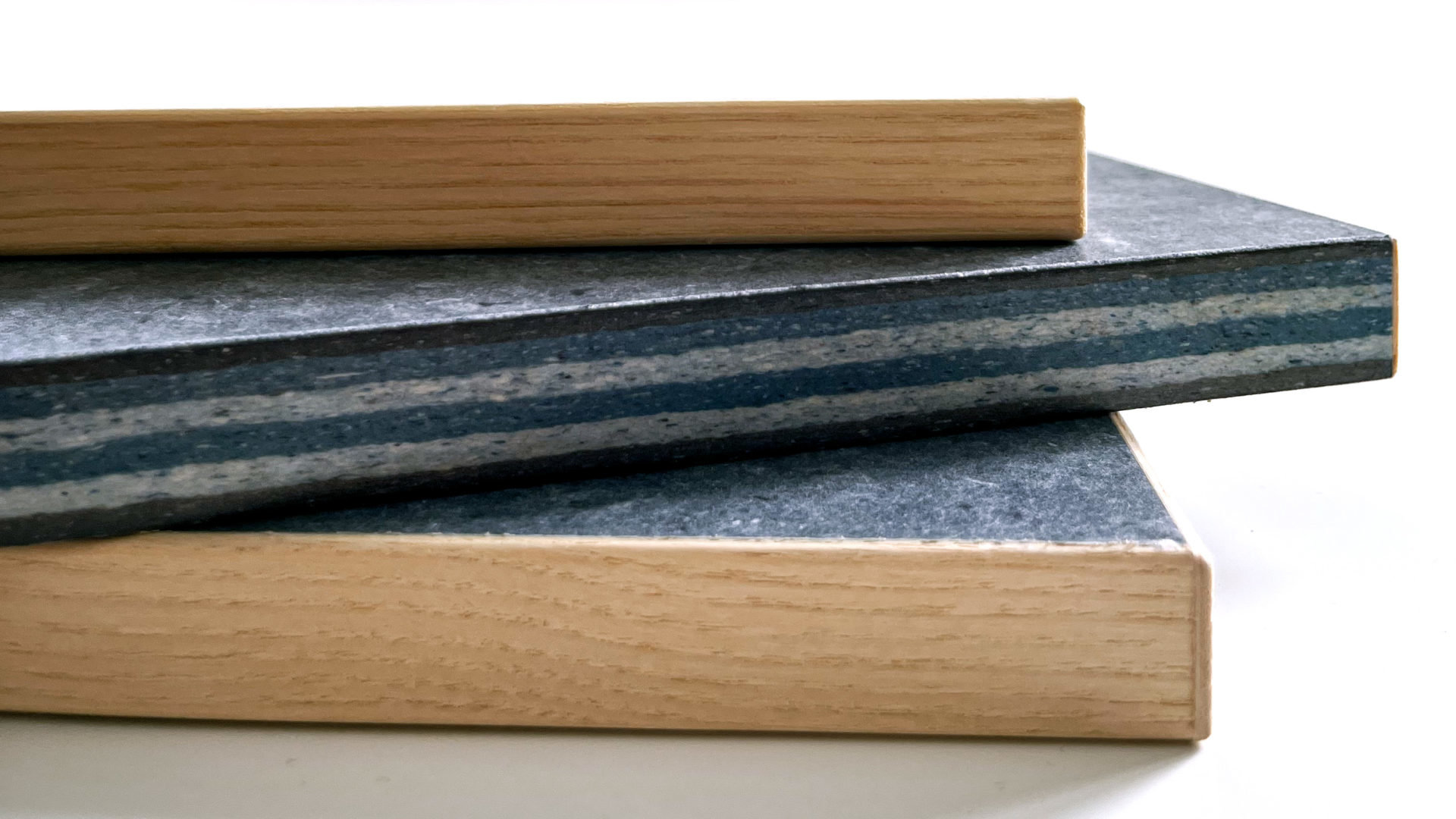
We reduce climate impact by choosing renewable, recycled and low emission materials. We adopt new innovations early to lower CO₂ and support a circular material flow.
Example: Kvadrat Really textile boards, available in R3 and R5 Work Station series, contain up to 70% recycled textile waste and are fully recyclable — a smart contribution to a circular economy.
Design for Wellbeing
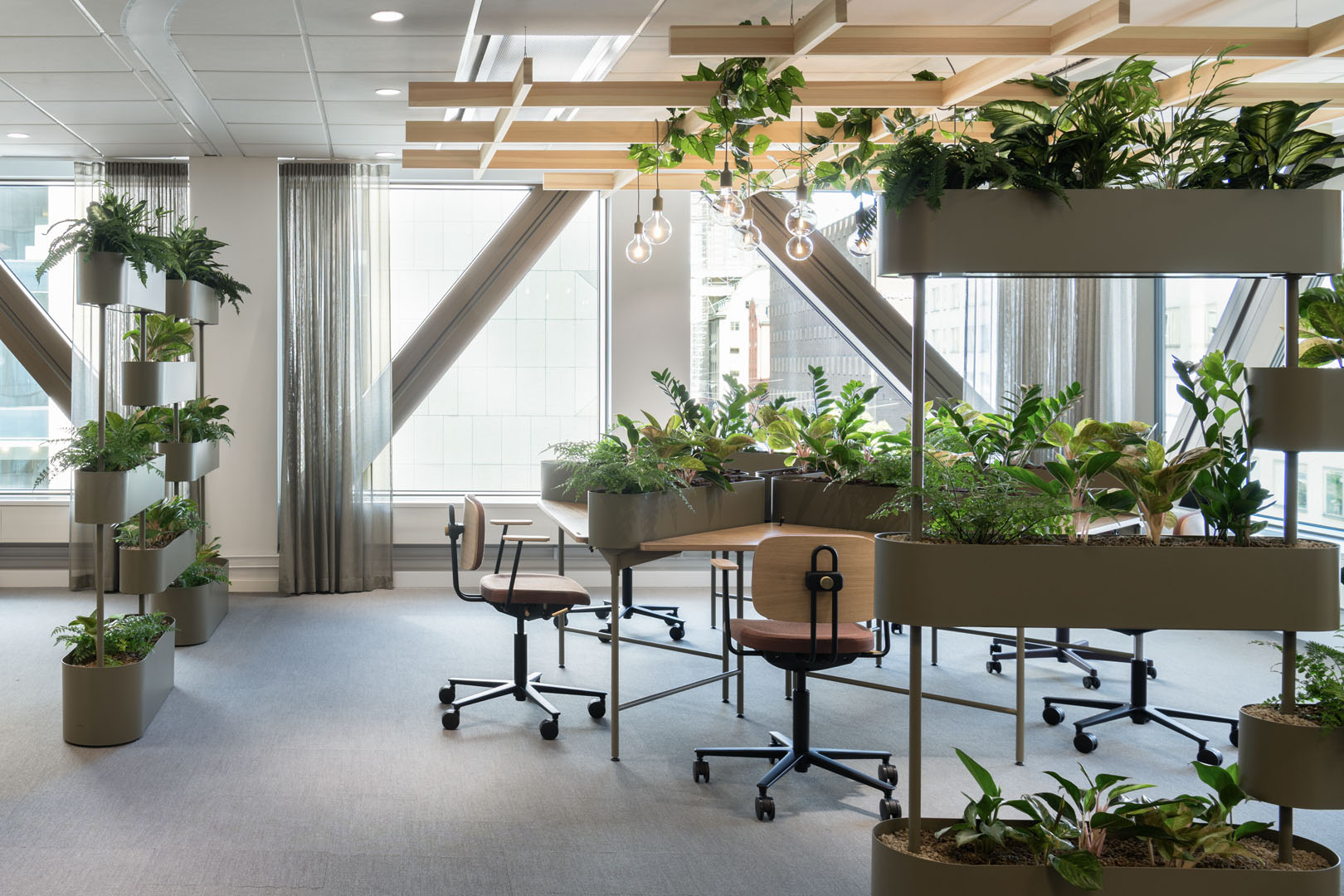
We design furniture that supports wellbeing at work. Good ergonomics, acoustics, comfort and inclusivity help people feel better and work better. We often use inspiration from nature to bring calm and balance into the office.
Example: The Bloom series brings plants into tables and dividers, creating green environments that support focus, creativity and wellbeing.
Design for Easy Assembly & Recycling
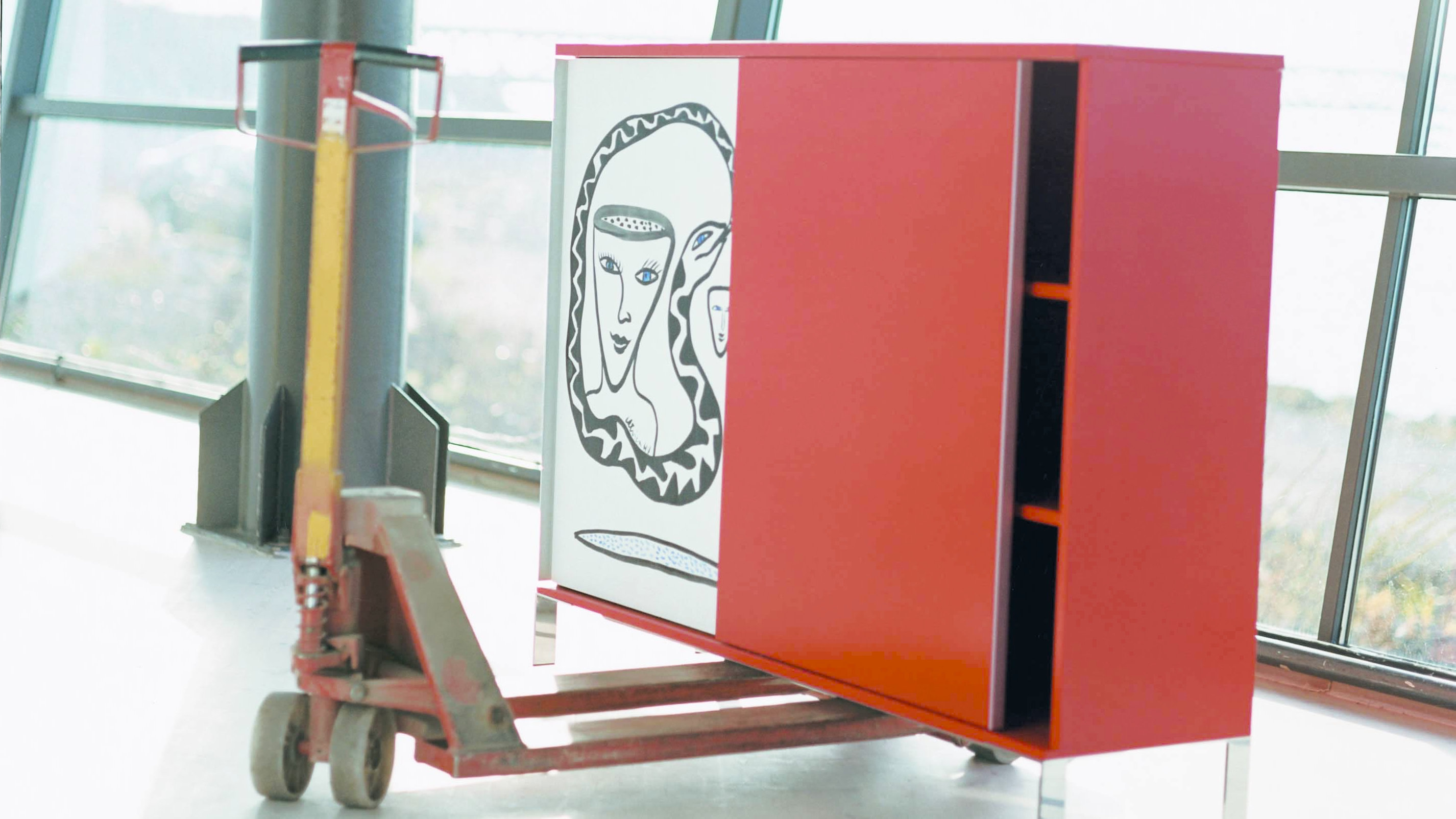
Our furniture is built from clear components and few material types, making it easy to assemble, take apart and recycle. This reduces transport impact and simplifies end of life handling.
Example: R3 Work.Cab Slide can be delivered knock down, which saves space during transport and makes assembly and recycling simple.
Design for Reuse & Renewal
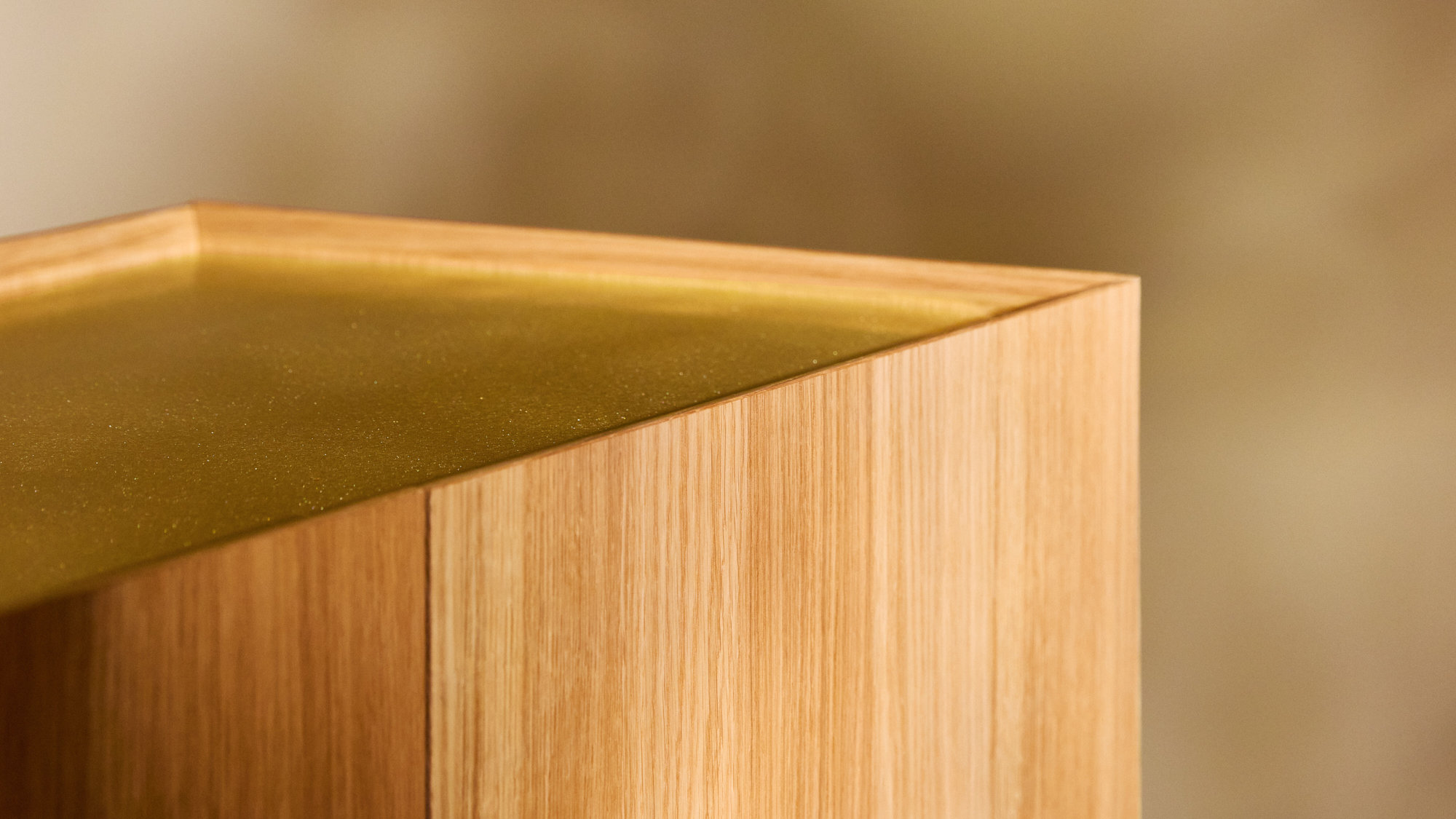
We extend product life by making it easy to repair and refresh furniture. Parts can be replaced or upgraded without changing the whole product — often directly at the customer’s location.
Example: Infinity storage allows individual parts to be repaired or replaced, returning the product to near new condition without buying a new one.